The Whisper Economy: How Japan's Satisfying-Video Studios Became America's Bedtime Ritual

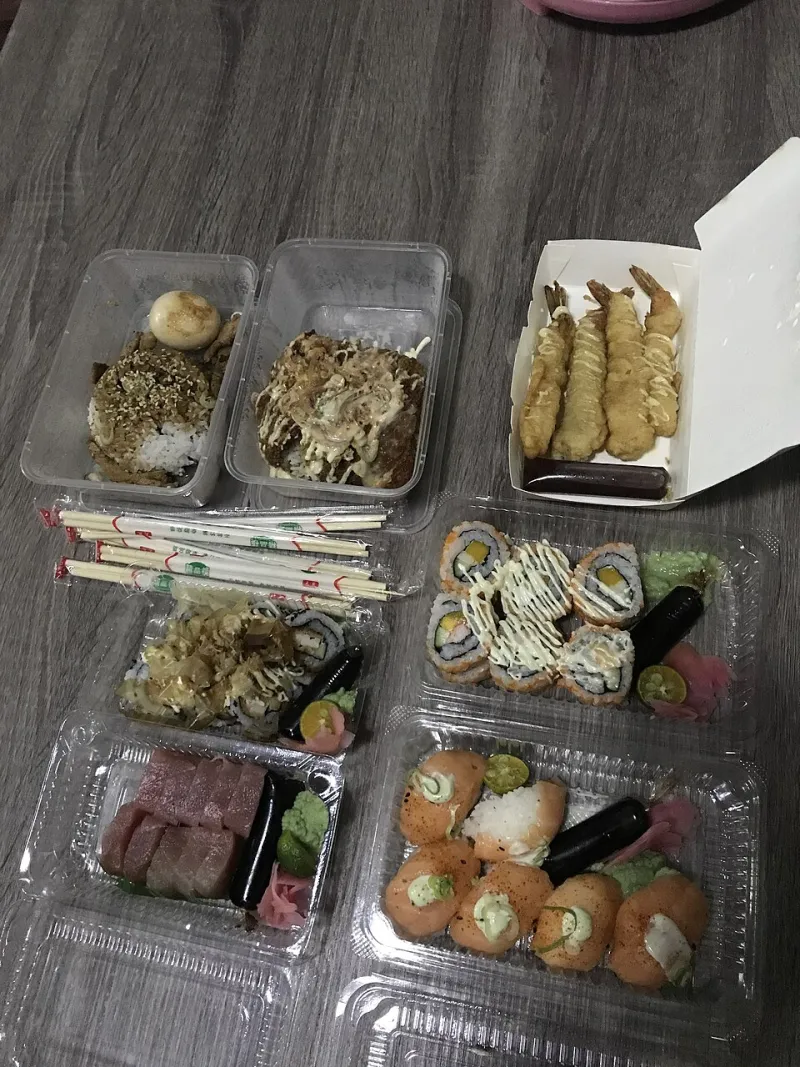
Photo: Yingchou Han hyingchou, CC0, via Wikimedia Commons
There's a specific moment — usually around 11:40 PM on a weeknight — when the average American gives up on sleep the responsible way and hands their brain over to autoplay. And if you look at what's actually playing on millions of phones at that hour, a huge chunk of it was uploaded from Japan.
Not anime. Not vlogs. Something stranger and softer: a woman slicing a block of honeycomb with a knife that makes a sound like rain. A man arranging hundreds of matcha candies into a perfect grid, then destroying the grid in one satisfying swipe. A pair of hands tapping on a wooden desk with the precision of a surgeon and the patience of a monk.
Welcome to the whisper economy. Japan built it, and America can't stop streaming it.
Mukbang Was the Gateway Drug
If you want to trace the pipeline, start with the eaters.
Japan's mukbang-adjacent scene — channels like Yuka Kinoshita, who famously ate 100 pieces of sushi on camera with the calm of someone reading a grocery list — predated and shaped the entire 'eating show' format that's now a global genre. Western mukbang is loud and personality-driven. The Japanese version often skews quiet, methodical, almost meditative. The food isn't the spectacle. The process is.
That's the key distinction, and it's why these videos migrate so well across language barriers. You don't need subtitles to watch someone methodically demolish a 5-pound block of mochi. The vibes translate.
The Algorithm Found the Pipeline Before You Did
Here's the part nobody planned: YouTube's recommendation engine essentially built a bridge between Tokyo studios and American bedtime routines without either side asking for it.
The logic is brutally simple. These videos have everything the algorithm loves — high retention (you will watch all 14 minutes of a guy carving a kanji into a bar of soap), zero language friction, and a watch context (late night, background, repeat viewing) that trains the algorithm to serve them again. Watch one slime video at 2 AM and by Friday you're being recommended a 40-minute compilation of kinetic sand being cut. Resistance is futile.
The result is a genre that's bigger in American watch-hours than most people realize, produced almost entirely by creators most American viewers couldn't name.
Your Starter Pack, Sorted by Mood
So you want in? Here's the annotated beginner's kit — organized not by genre, but by what you actually need at that moment.
When you can't fall asleep:
- ASMR channels like Sasayaku Youni — whispering, tapping, fabric sounds. Headphones mandatory.
- Rain-sound cooking channels — slow kitchen prep, no talking, just the chop of vegetables like distant thunder.
When you're studying or working: 3. Silent desk-setup channels — stationery organization that doubles as productivity propaganda. 4. Kinetic sand and slime compilations — the platonic ideal of background noise.
When you're anxious: 5. Hyper-specific 'process' channels — someone restoring a rusty knife or arranging 200 pieces of sushi for 25 uninterrupted minutes. Order out of chaos. 6. Traditional craft channels — indigo dyeing, wood joinery, lacquer work. Slow TV with actual skill.
When you just want to feel something: 7. Yuka Kinoshita's archive — the sheer calm audacity of it all. 8. Massive-quantity cooking channels — a guy making curry for 100 people. Weirdly moving.
When you're doomscrolling and need an exit ramp: 9. Soap and wax carving channels — the knife sounds alone lower your heart rate. 10. Miniature cooking channels — tiny pancakes, real syrup, full commitment to the bit.
Why It Works on American Brains Specifically
There's a cultural fit here that goes deeper than the algorithm. Americans treat wind-down time like a problem to be solved — apps, podcasts, melatonin gummies, white noise machines. Japanese satisfying-video creators essentially solved for it first, building content designed to be non-narrative. Nothing happens. Nothing needs to. You can join at minute 3 or minute 30 and miss nothing.
That's the opposite of everything else in the American content diet, which demands your attention, your opinions, and your outrage. A 20-minute video of a man peeling 50 apples in one continuous ribbon is the rare corner of the internet that asks nothing of you.
No wonder autoplay keeps it going until the phone falls asleep on your chest.
The pipeline between Tokyo and your pillow isn't slowing down, either. Every new crop of hyper-niche Japanese channels — someone cutting glass, someone pressing flowers, someone making a swimming pool out of jelly — gets vacuumed into American recommendation feeds within weeks. The dojo never closes. Sleep well.