One Feed to Rule Them All: The Americans Ditching Their Streaming Stacks for a Single Japanese TV Channel
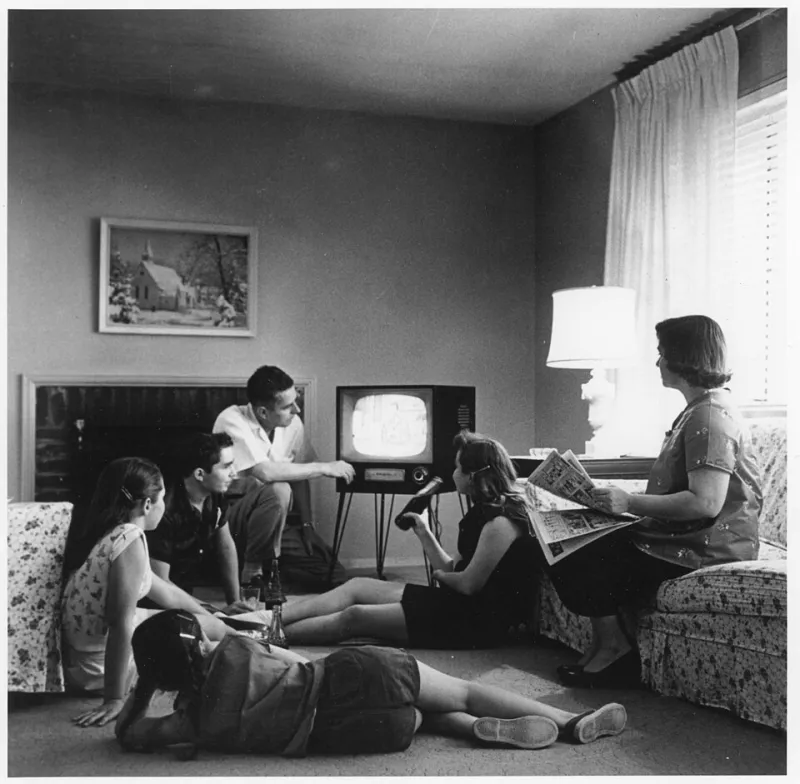
Photo: Evert F. Baumgardner, Public domain, via Wikimedia Commons
Somewhere in Ohio, a guy named Marcus did the math on his entertainment budget and didn't like the answer. Netflix, Hulu, Max, a sports app he barely touched, another one he forgot existed. Roughly $80 a month for the privilege of scrolling for 40 minutes before falling asleep to a show he wasn't even enjoying.
Today, Marcus watches exactly one thing: a Japanese TV channel, streaming live, around the clock. His subscription stack? Gone. His screen time? Way up. His ability to explain his hobby to coworkers? Zero.
And here's the twist — he's not alone. Not even close.
The Streaming Fatigue Endgame
America's relationship with streaming has soured into a weird long-term situation. What started as one cheap monthly bill turned into a dozen, each with its own login, its own price hike, its own exclusive show you're told you can't live without. Add in the endless cancellation-and-revival cycle and the average US viewer is exhausted before the opening credits roll.
So maybe it tracks that some people are walking away entirely — not back to cable, but sideways into something completely different. Japanese live TV, piped straight into American living rooms through apps, fan-run restreams, and IPTV setups of varying legality, has become an unlikely exit ramp.
There's something almost radical about it. No algorithm deciding what you watch. No recommendation engine nudging you toward content you've already seen seventeen times. Just a channel, running its scheduled programming, whether you show up or not.
Variety Marathons as a Lifestyle
The content itself is a huge part of the appeal. Japanese variety TV doesn't operate on the prestige-drama model. It's loud, weird, generously paced, and built for casual viewing — celebrity panels eating absurd amounts of noodles, physical challenges with genuinely unhinged rules, travel segments where a comedian gets emotionally destroyed by a bowl of ramen in rural Hokkaido.
One viewer in Texas described it as "background TV that's actually good background TV." She leaves a variety marathon running all Saturday while doing chores, catching fragments of chaos between loads of laundry. "I don't need to commit to anything. If I miss something, whatever. There's always another segment."
That low-stakes rhythm is the opposite of the American streaming experience, where every show arrives wrapped in the expectation that you'll binge it, theorize about it, and defend it on social media before the weekend's over.
The 24/7 News Loop, Explained by People Who Don't Speak Japanese
Here's the part that sounds like a joke: a meaningful chunk of this audience doesn't understand Japanese.
All-day news loops are weirdly popular among US viewers who follow maybe 40 words of the language. And there's a logic to it. A weather report in a language you don't speak is, functionally, the most relaxing thing ever broadcast. No doom-scrolling energy. No argument segments engineered to spike your blood pressure. Just pleasant anchors, weather maps, and the soft rhythm of a country's daily news cycle.
One Portland viewer told us he watches a Tokyo morning news show with his coffee every day. "I have no idea what they're saying. I know when it's going to rain in Osaka, though. I can feel it."
This tracks with a broader pattern we've covered before — the whole "zero subtitles, pure vibes" school of viewing that's quietly become a genre of its own. Live TV is just the next frontier.
The Plumbing Behind the Binge
How is this even happening? A mix of official and not-so-official channels. Some Japanese broadcasters offer legitimate international apps and simulcast services. Beyond that, there's a thriving ecosystem of fan-run restreams — people capturing broadcast feeds and pushing them to platforms where overseas fans can tune in. There are dedicated IPTV boxes, community Discord servers with shared streams, and YouTube channels that run continuous feeds until someone's copyright lawyer wakes up.
The fan infrastructure is doing a lot of heavy lifting here. Subtitling communities we've covered in the past built the vocabulary; the live-stream crowd built the habit. Once Americans got comfortable watching untranslated Japanese content, a scheduled live feed stopped feeling exotic and started feeling like, well, TV.
What It Means for the Future of Global TV
The streaming industry spent a decade convincing Americans that on-demand was the only way anyone would ever want to watch anything. The Japanese live-TV crowd is a quiet counterargument. Scheduled programming, shared timing, a channel that exists whether you're watching or not — it turns out that's not a limitation. For a lot of burned-out viewers, it's the whole point.
There's also a bigger picture here. If a random guy in Ohio can replace an $80 streaming stack with a single foreign broadcast feed, the old assumptions about regional TV walls start looking shaky. Content doesn't need to be localized for a market anymore. Sometimes it just needs to exist, and the audience will find it, build the plumbing, and keep it running.
Whether broadcasters lean into this or litigate it out of existence is the open question. For now, the cord-cutters have spoken: sometimes the best streaming service is just... a channel.
Marcus put it best. "Netflix kept asking what I wanted to watch. This thing doesn't care what I want. It's already on. Honestly? That's the feature."