Six Hours on a Local Train and I've Never Felt More Relaxed: The Slow-Ride Japanese Specials Americans Are Bingeing
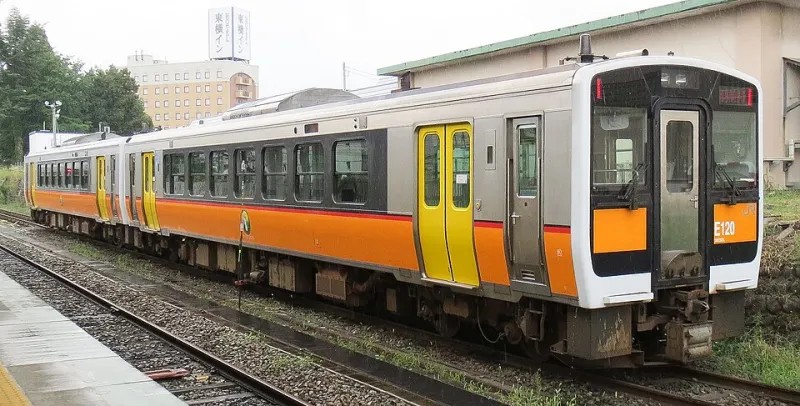
Photo: DR17 Sagittarius Runaway, CC BY-SA 4.0, via Wikimedia Commons
Picture this: six hours of footage. The plot is a train ride. The climax is a pork cutlet bento bought at a station kiosk. And somehow, it's the most relaxing thing you'll watch all week.
Welcome to Japan's slow-travel variety specials — a genre where comedians and idols are simply put on a local train (or a tour bus, or a rickety ferry) and pointed toward some far-flung corner of the country. They eat regional bentos. They chat with retirees waiting on the platform. They stare out the window at rice paddies. That's the whole show. And American viewers can't stop watching it.
What Even Is This Format?
The template is beautifully simple. A production team books a route — often a multi-day journey on rural lines that most Japanese commuters never think twice about. Two or three personalities board with a modest per-diem budget and a camera crew. The rest emerges organically: wrong transfers, snack stops, unplanned conversations with locals who've never been on TV before.
The bento is the unofficial co-star. Every mid-sized station in Japan sells its own boxed lunch — a eki-ben — featuring whatever that region does best. Watching someone unwrap a grilled fish bento from a fishing town they'll never visit is weirdly transporting. It's food tourism, geography lesson, and ASMR all at once.
Why It Hits Different for US Viewers
If you've ever fallen down the Norwegian slow TV rabbit hole — you know, the seven-hour train broadcasts where literally nothing is edited out — this is that, but with people you get attached to.
It's also the antithesis of American travel content. US travel vlogging tends to be high-energy: 14 countries in 14 days, sponsor reads every four minutes, a drone shot every 30 seconds. The Japanese train specials are the opposite. There's no itinerary to sell you. No "top 10 must-sees." The whole premise is that a two-hour delay because of a cow on the tracks is not a problem — it's the content.
For an American audience burned out on hustle culture and algorithm-bait, that's not just different. It's therapeutic. Comment sections on these clips are full of people saying things like "I put this on after work and my blood pressure just... dropped."
The Comfort Food of Video Genres
There's a reason this genre slots so neatly into the same mental shelf as, say, watching someone mow a lawn or restore a rusty knife. It's low-stakes by design. Nobody wins anything. Nobody gets eliminated. The worst-case scenario in a typical episode is running out of yen before the last train.
That predictability is the point. These specials function like a weighted blanket. You can drop in at any timestamp and your brain knows exactly what it's getting: scenery, snacks, gentle banter, repeat.
Episodes US Fans Say to Start With
The genre has its own canon among American fans, and the recommendations are surprisingly consistent:
- The long-haul debut runs — multi-day trips from one end of the country to the other, usually featuring a comedy duo whose dynamic carries the whole journey.
- The budget-restriction specials — where the cast has to earn their meals through small tasks or luck. Low stakes, but somehow gripping.
- The seasonal rides — winter routes through snow country are the crown jewels. Steam rising off hot tea, white fields out the window, a hot bento on your lap. It's a whole mood.
- The local-legend episodes — the ones where a chance encounter with a shop owner or station master becomes the emotional core of the episode. No subtitles needed to feel it.
Search any of these on YouTube and you'll find full episodes, fan-translated cuts, and reaction channels walking Americans through the highlights frame by frame.
Zero Subtitles? Still Works
Here's the wild part: plenty of US fans watch these with no translation at all. The format communicates through rhythm and visuals — the train swaying, the wrapper crinkling, the satisfied exhale after the first bite of a regional specialty. Body language does most of the heavy lifting.
It's the same reason zero-subtitle Japanese channels have found an American audience: when the content is this gentle, the language barrier becomes a feature. You're not parsing dialogue. You're just... riding along.
The Verdict
Not every video needs to be a dopamine slot machine. Sometimes the most binge-worthy thing on your feed is a four-hour bus ride through the mountains with two comedians arguing about whether to stop for soft serve.
Queue one up tonight. Bring a snack. Miss your stop — metaphorically, at least.