The Credits Roll, the Cameras Stay On: How Japan's 'Afterglow' Segments Became America's Coziest Watch
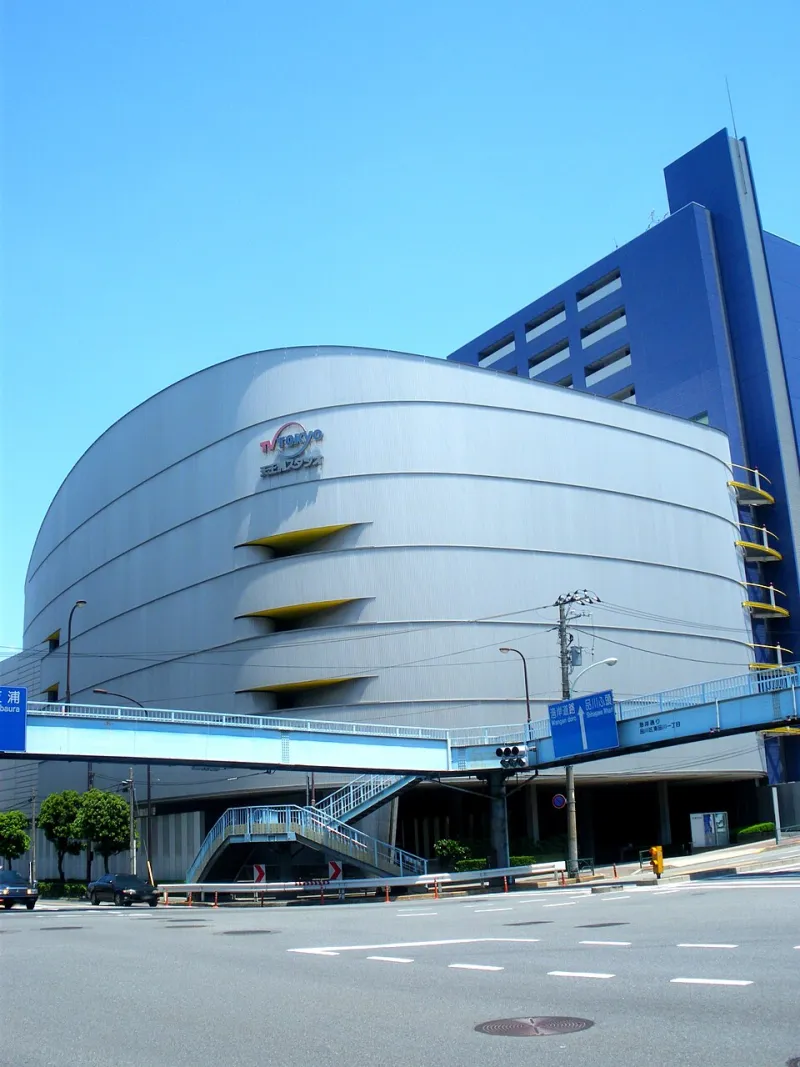
Photo: User:Kentin, CC BY-SA 3.0, via Wikimedia Commons
There's a specific kind of video that keeps showing up in my YouTube recommendations at 11:47 PM, and I couldn't tell you how the algorithm figured out my exact emotional weak point.
It's a Japanese variety show segment. Except it isn't, really. The episode has already ended. The credits have rolled. And yet the camera is still on, pointed at a small stage set where four comedians and an idol are splitting the last of a convenience store snack run, talking about nothing in particular, occasionally yawning.
No stakes. No punchline. No task. Just people, existing, in the gentle aftermath of a show that already happened.
The internet has a name for these. Fans call them "afterglow" segments, and American viewers are quietly building a whole subculture around them.
What Even Is a Post-Credit Chit-Chat Segment?
Here's the mechanic: a lot of Japanese variety programming tapes far more than airs. Producers keep rolling through the wind-down — the moment when the cast stops performing and starts just... hanging out. Sometimes this footage airs in the final minutes of the broadcast. Sometimes it ends up on the show's official YouTube channel as bonus content. Sometimes a fan with a VHS archive uploads it twenty years later.
What you get is a genre of video that looks like a mistake. Microphones half-lowered. Someone asking if anyone wants the last melon pan. A comedian removing his character wig while still vaguely in character. It's the TV equivalent of lingering at a dinner party after the hosts start doing the dishes.
And that's precisely the appeal. These segments ask absolutely nothing of you.
The Low-Stakes Hangout Economy
American content culture is optimized for engagement. Every video wants a reaction, a take, a comment, a subscribe. Even "relaxing" content — study-with-me streams, ambient loops — is usually packaged with a purpose.
Afterglow clips reject all of that. There's no hook in the first three seconds. There's no thumbnail face making an expression. A ten-minute clip might contain one genuinely funny moment, buried under nine minutes of two people deciding whether to split a taxi.
For US viewers raised on a content diet of hot takes and cliffhangers, this reads less like entertainment and more like a weighted blanket.
The comment sections tell the whole story. Scroll under any of these clips translated by fan subtitlers and you'll find a recurring genre of American comment: "I don't know why I watched all of this. I feel better. I'm going to bed."
The Translators Who Subtitle the Silence
One of the funniest corners of this scene is the fan translation community. Since these segments are considered disposable by the networks, nobody official bothers subtitling them. So the volunteers step in — and because there's often genuinely nothing being said, they've developed a style all their own.
You'll see subtitles like:
- [long pause]
- [comedian stares at snack bag]
- [they are both thinking about dinner]
- [silence, but a comfortable one]
It's a running joke, but it's also weirdly accurate. The translators aren't just translating dialogue; they're translating mood. And US viewers have started treating these jokey subtitles as part of the art form, sometimes quoting them back in comments like they're catchphrases.
Fan-Favorite Afterglow Moments
Every niche community has its canon, and this one is no different. A few recurring archetypes American fans have gravitated toward:
The Leftover Snack Negotiation. Two cast members, one remaining onigiri, an entire unspoken diplomatic process. US commenters have genuinely ranked these. There is a leaderboard. It is not official, but it exists.
The Wig Comes Off. When a comedian who spent forty minutes in a full character slowly reverts to a tired person in a tracksuit, viewers describe it as "watching a werewolf transform, but cozy."
The Set Lights Dimming Mid-Sentence. The technical crew clearly wrapping up while someone is still telling a story, and the storyteller just... continuing anyway, into the half-dark. Pure cinema, allegedly.
The Group Photo That Takes Too Long. Someone's always blinking. Someone's always holding the snack. It takes four attempts. Nobody minds.
Why This Works on a Sleepy American Brain
There's a real argument that this is parasocial comfort at its most benign. You're eavesdropping on a friendship you weren't invited to, and nobody's performing for you. Unlike a podcast or a streamer, these people forgot the camera mattered. That unguarded quality is nearly extinct in Western content, where everything is a personal brand.
It also slots perfectly into the same viewing slot that late-night infomercials and weather channel loops used to occupy — content that fills a room with human murmur so you don't have to think. The difference is that this version is warm instead of fluorescent.
And honestly? After a day of doomscrolling, "five comedians arguing about whether the studio is cold" might be the healthiest thing I watch all week.
Where to Start Your Descent
If you want in, search for translated clips of long-running Japanese variety shows' bonus or ending segments — the fan communities around the big comedy duos and idol-adjacent programs have archived decades of this stuff. Look for uploaders who subtitle silences with a wink. That's your quality signal.
Fair warning: it's a genre with no natural stopping point. There's no season finale, no arc, no resolution. Just credits that never quite finish rolling.
Which, depending on the night, is exactly what you need.